

Dogs have accompanied humans for thousands of years, but the precise nature of this relationship during major prehistoric migrations has remained unclear. A genomic study published in Science (doi: 10.1126/science.adu2836) on November 13 reveals that dogs were integral migration partners rather than mere companions—their movements across Eastern Eurasia closely mirrored human population shifts over the past 10,000 years.
Researchers led by Prof. WANG Guodong from the Kunming Institute of Zoology of the Chinese Academy of Sciences analyzed 73 ancient dog genomes from archaeological sites spanning Siberia to Northwest China. The team discovered that multiple domestic dog populations—including ancient Eurasian steppe dogs and ancient northern East Asian dogs—experienced admixture and replacement events during the Holocene. When compared with ancient human genomic datasets, these canine population changes coincided remarkably with documented human migrations involving Ancient Paleo-Siberians, Eastern hunter-gatherers, and Steppe pastoralists.
The findings demonstrate that dogs were not passive followers but essential components of human migratory waves. Their dispersal patterns reflect both shared journeys with specific human groups and independent exchanges between communities, particularly among hunter-gatherer societies in northern latitudes. This comparative ancient genomics approach establishes a framework for understanding domestication dynamics and offers new perspectives on how domesticated species shaped—and were shaped by—human civilization across millennia.
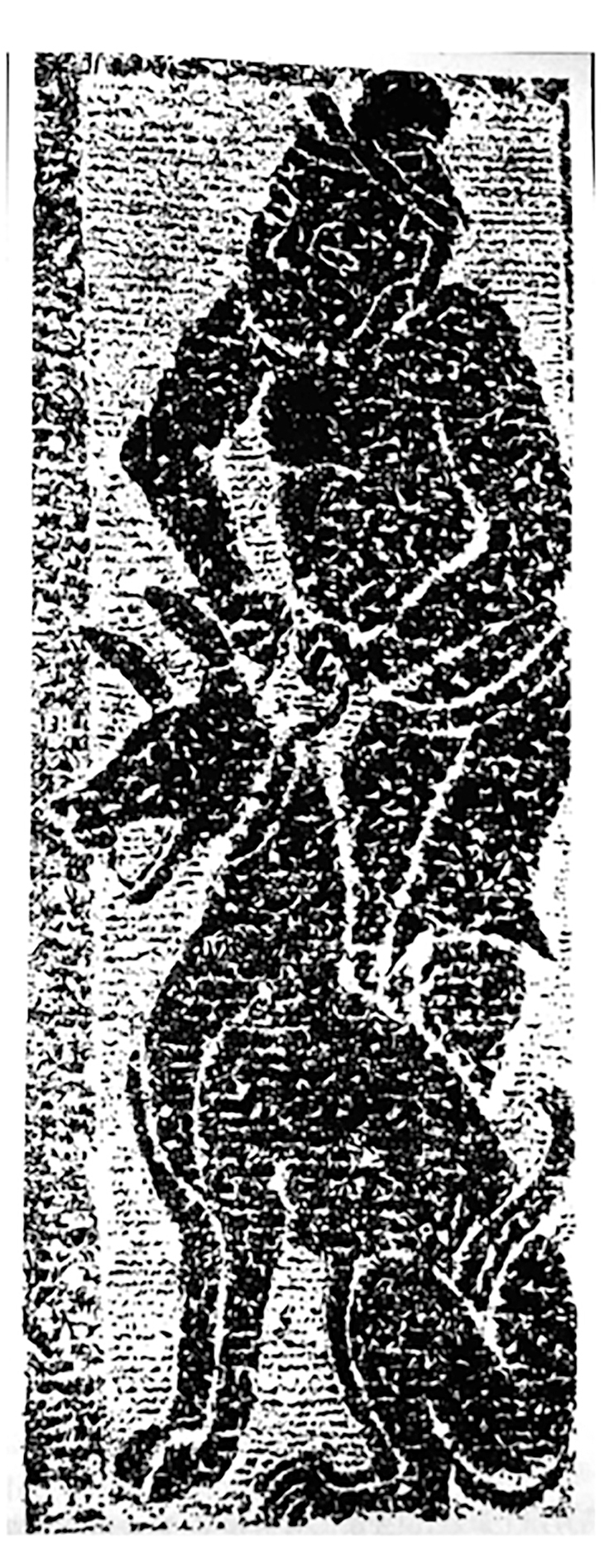
Han Dynasty stone relief “Dog Training Scene” excavated from Changzhongdian, Deng County, Henan Province, north-central China, depicting the close relationship between dogs and humans. (Image by courtesy of online sources)