

JIANG Minga, JIA Zhongjuna, LI Lujuna, ZOU Wenxiua, LIANG Aizhena, LIU Huanjuna,WANG Hongshengb, ZENG Yanb, TIAN Chunjiea, CAO Xiaofengc, ZHANG Yuchengd, LIU Guohuae, LENG Guoyongf, ZHANG Lilig, HUANG Yingxina, CHEN Haihuad, LIAO Xiaoyongf, CUI Mingxinga, ZHANG Jiabaoh,1,*
a. Northeast Institute of Geography and Agroecology, Chinese Academy of Sciences, Changchun, China
b. Bureau of Science and Technology for Sustainable Development, Chinese Academy of Sciences, Beijing, China
c. Institute of Genetics and Developmental Biology, Chinese Academy of Sciences, Beijing, China
d. Engineering Laboratory of Intelligent Agricultural Machinery Equipment, Institute of Computing Technology, Chinese Academy of Sciences, Beijing, China
e. Research Center for Eco-Environmental Sciences, Chinese Academy of Sciences, Beijing, China
f. Institute of Geographic Sciences and Natural Resources Research, Chinese Academy of Sciences, Beijing, China
g. Institute of Applied Ecology, Chinese Academy of Sciences, Shenyang, China
h. Institute of Soil Science, Chinese Academy of Sciences, Nanjing, China
Abstract:
Northeast China hosts one of the world’s four major black soil regions, accounting for approximately 36 million hectares of cultivated land. Producing one-quarter of China’s total grain output and one-third of its commercial grain transfers, this region serves as a vital cornerstone for national food security. However, unsustainable land use and climate change have driven severe soil degradation, manifesting as thinning topsoil, declining organic matter, and increased bulk density—collectively threatening sustainable production. To address these challenges, we conducted a five-year intensive study, and proposed an innovative degradation control theory centered on “enhancing inherent stable soil fertility”. A targeted technological system was developed, with emphasis on the incorporation of multi-source organic materials and optimized tillage practices, to overcome key technical barriers to soil restoration under intensive farming. Furthermore, in light of regional variations in environmental conditions and soil constraints, locally adapted models for black soil conservation—such as the “Longjiang Model”, “Lishu Model 2.0”, and “Da’an Model”, have been established. In core demonstration areas, these approaches achieved notable outcomes: Soil organic matter increased by 13%–17%, soil erosion intensity decreased by more than 80%, and crop yields improved by 5.4%–14.2%. This study provides robust scientific support for national strategies aimed at conserving and sustainably utilizing black soil resources.
Keywords:
black soil, soil degradation, inherent stable fertility, protection models, food security
Cite this article as:
JIANG Ming, JIA Zhongjun, LI Lujun, ZOU Wenxiu, LIANG Aizhen, LIU Huanjun,WANG Hongsheng, ZENG Yan, TIAN Chunjie, CAO Xiaofeng, ZHANG Yucheng, LIU Guohua, LENG Guoyong, ZHANG Lili, HUANG Yingxin, CHEN Haihua, LIAO Xiaoyong, CUI Mingxing, and ZHANG Jiabao. (2025) Key Principles and Techniques for Controlling Black Soil Degradation and Enhancing Fertility in Northeast China. Bulletin of the Chinese Academy of Sciences, 39, 2025007. DOI: https://doi.org/10.1051/bcas/2025007
Black soils (Mollisols or phaeozem/chernozem) are globally scarce and highly fertile, covering approximately 725 million hectares, accounting for 5.6% of the world’s soil area. They are primarily distributed across four major regions: the Eurasian Steppe (Russia-Ukraine), the Mississippi River Basin in the United States, the Northeast Plain of China, and the Pampas Grassland in South America (FAO, 2022). With about two-thirds of this area used for agriculture, black soils play a critical role in ensuring global food security (Li et al., 2025). China’s northeast black soil region, spanning the three northeastern provinces and the four leagues/cities in eastern Inner Mongolia, encompasses major soil types such as phaeozem (Typical black soil), chernozem, gleysol, albic luvisol, haplic luvisol, and eutric luvisol. Among these, the 36 million hectares of cultivated land are considered the cornerstone and stabilizer of China’s food security.
Since the 20th century, like other black soil regions worldwide, northeast China’s black soils have undergone severe degradation due to unsustainable land use, intensive farming, and climate change. According to Zhang et al. (2019), soil and water erosion affects 20.1% of the total black soil area, with 60% of dry farmland experiencing significant erosion. The mollic epipedon is thinning at an average rate of 0.1–0.5 cm per year. Over the past six decades, soil organic matter in the plow layer has decreased by one-third, with some areas declining by as much as 50%. Notably, from 1980 to 2011, the northeast black soil region was the only part of China to show a continuous downward trend in farmland soil organic carbon (SOC) (Li et al., 2016; Zhao et al., 2018). Concurrently, long-term tillage has simplified the soil pore network structure, reduced total porosity and connectivity (Peng et al., 2023), and disrupted microbial community balance (Jia et al., 2025), exacerbating the degradation process.
To promote the conservation and sustainable utilization of black soils, China has implemented initiatives since 2015, including pilot projects for black soil conservation, and the release of policy frameworks such as the Outline of the Plan for the Conservation of Black Soils in Northeast China (2017–2030) and the Implementation Plan for the National Black Soils Conservation Project (2021–2025). Given the importance of scientific and technological innovation in black soils conservation for national food security strategies, the nation has increased the investment in this field, and strengthened policy support. There is an urgent need for systematic research to clarify degradation processes and mechanisms, develop regionally adaptive restoration and fertility enhancement technologies, and deliver integrated solutions that harmonize black soil conservation with sustainable production.
In response to this national priority, the Chinese Academy of Sciences (CAS) launched the Strategic Priority Research Program “Science and Technology Innovation Project for Black Soils Conservation and Utilization” in 2021. In collaboration with the provincial governments of Heilongjiang, Jilin, Liaoning, and the Inner Mongolia Autonomous Region, a coordinated innovation chain involving universities, research institutes and agricultural enterprises was established, jointly initiating the “Black Soil Granary” Scientific and Technological Campaign (Jiang et al., 2021; Jiang et al., 2024). Through five years of collaborative research, the team has achieved significant advances in understanding the mechanisms of black soil degradation control, developing new technologies and constructing regional models, and designing long-term conservation systems. These efforts have gained international attention and provided key scientific and technological support for the conservation and sustainable utilization of black soils in China.
1. Soil Degradation Process of Black Soils and Its Driving Mechanism
1.1 Characteristics and Influencing Factors of Black Soils Degradation
Intensive tillage, combined with wind, water and freeze-thaw erosion, constitutes the primary driver of black soil degradation. Unsuitable agricultural management practices and soil erosion interact to trigger a vicious cycle of “soil structural deterioration – organic matter depletion – biological imbalance” in black soils, with degradation effects varying significantly across spatial scales, soil profiles, and aggregate fractions. In natural black soils, dense vegetation cover and sufficient litter input maintain a high SOC content in the topsoil (0–5 cm), averaging 44.7 g kg-1 (Liang et al., 2008; Zhang et al., 2018), which declines sharply with soil depth. After cultivation, degradation concentrates in the surface layer: The 0–5 cm soil layer suffers the most severe SOC loss, decreasing from 44.7 g kg-1 to 23.9 g kg-1 (a 46.6% loss), while the 5–10 cm layer shows a 26.8% loss, and the loss rate below 30 cm stabilizes at 0.03 g kg-1 annually (Liang et al., 2008). However, direct comparisons at the same depth between natural and cultivated black soils tend to overestimate agricultural impacts; erosion effects must be corrected to accurately quantify management-induced SOC depletion (Liang et al., 2009).
In terms of soil structure, tillage preferentially damages water-stable macroaggregates (>1000 μm), reducing their associated carbon by 82.3% compared to natural black soil, while aggregates in the 250–1000 μm fraction show a 41.5% reduction. The key mechanism involves tillage-induced loss of glomalin-related soil protein, which impairs aggregate stability and carbon sequestration capacity (Liang et al., 2008; Zhao et al., 2025b). This structural deterioration further inhibits the activity of functional microorganisms involved in carbon, nitrogen, and phosphorus cycling, establishing a “structure-function” degradation cascade (Hu et al., 2025).
Long-term cultivation reduces microbial biomass, limiting the accumulation of microbial-derived carbon. As cultivation duration increases, bacterial and fungal biomass decline, directly reducing the stable input of microbial-derived carbon (Zhao et al., 2025a). Moreover, prolonged cultivation weakens mineral protection of organic carbon, leading to a pronounced decrease in mineral-associated organic carbon. In paddy fields, long-term fertilization increases the abundance of iron-reducing bacteria, promoting iron reduction and reducing the protective role of iron oxides in stabilizing organic carbon (Qin et al., 2020). Meta-analysis confirms that reduced tillage enhances carbon, nitrogen, and phosphorus cycling functions in both rhizosphere and bulk soils, providing theoretical support at the microbial level for the restoration of degraded black soil (Hu et al., 2025).
Agricultural management and natural factors exert a synergistic effect on black soil degradation. For example, spatial variation in SOC content in the plow layer (0–30 cm) of natural black soils shows a clear latitudinal gradient: The highest value (63.5 g kg-1) occurs in Bei’an City, northern Heilongjiang Province, while the lowest (10.1 g kg-1) is found in Jiutai City, Jilin Province. The average SOC content in Heilongjiang (34.6 g kg-1) is higher than that in Jilin (23.8 g kg-1) (Figure 1). However, reclamation duration and tillage intensity strongly modulate SOC dynamics, leading to an average content in cultivated black soils of 22.7 g kg-1, reflecting the combined influences of reclamation history, tillage intensity, and temperature. Additionally, SOC changes in the topsoil vary by soil types: In Hailun City of Heilongjiang Province, data compared with the second national soil survey (1981) show that SOC in thick-layer black soils declined by 22% over 30 years, while medium- and thin-layer black soils declined by 11% and 10%, respectively (You et al., 2020).
Previous studies report that corn cultivation in Jilin’s black soil farmland causes an annual topsoil loss of 8.3 million tons, equivalent to 200,000 tons of organic matter loss, with soybean cultivation doubling this figure (Yang et al., 2003). The mollic epipedon is disappearing at a rate of 2–5 mm annually; without improved tillage practices, the subsoil of degraded black soils will be fully exposed within 30 years, resulting in the complete loss of the fertile topsoil. Pesticide residues have also been shown to reduce the abundance of beneficial microbial groups such as actinomycetes by 42% (Hou et al., 2025). In sloping black soil farmland, this microbial imbalance further weakens soil erosion resistance, creating a vicious cycle of “carbon loss – reduced erosion resistance”.
In summary, inappropriate management practices constitute the primary cause of black soil degradation. Targeted restoration of aggregate structure and carbon pool functions requires an integrated approach that combines nutrient management and conservation tillage strategies.
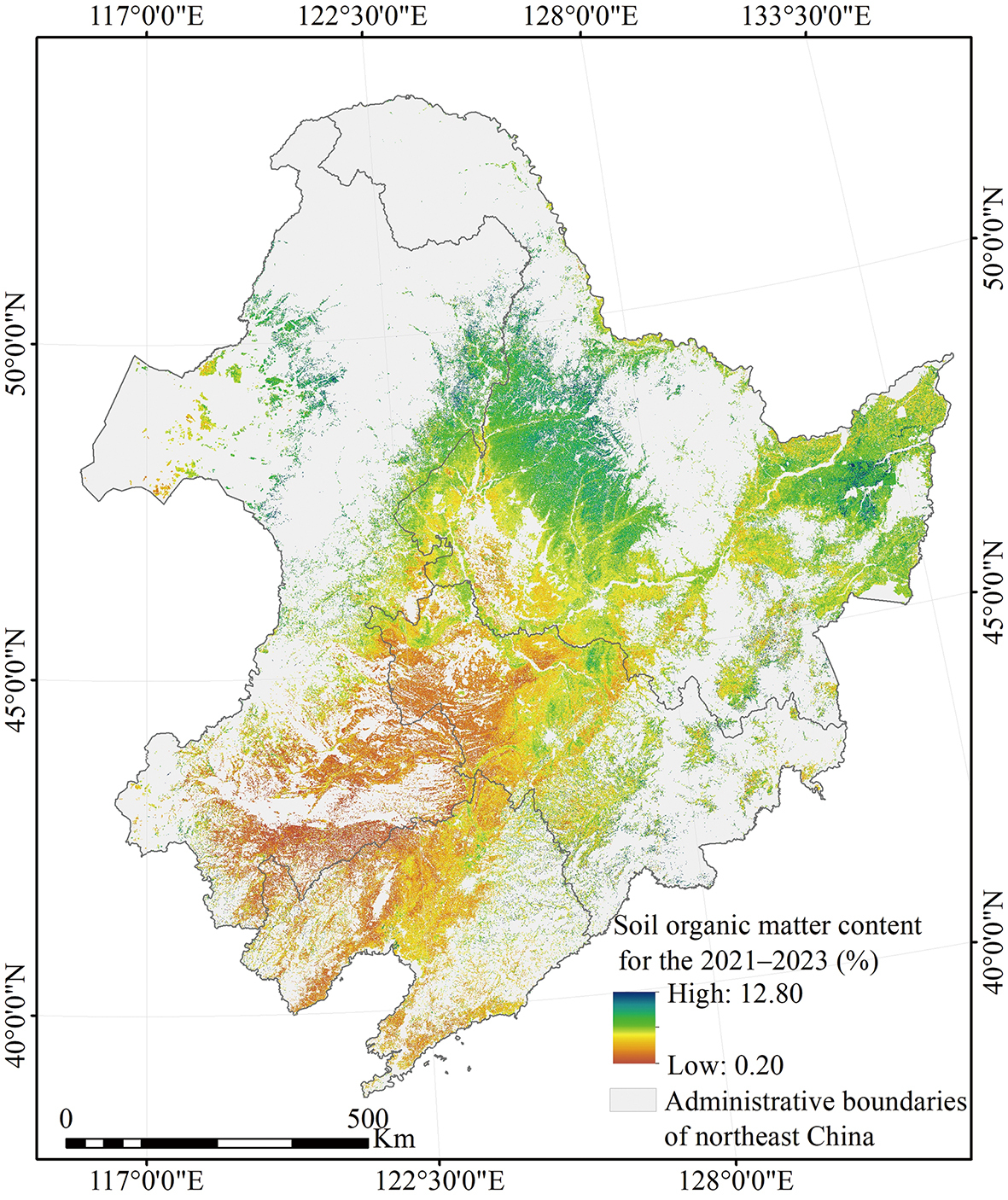
Figure 1. Distribution map of soil organic matter content in the black soil region in northeast China.2
1.2 Theory of Improving Inherent Stable Fertility of Black Soils
To address the specific challenges of the cold climate, heavy soil texture, and high carbon-nitrogen ratio in the black soil region of northeast China, the research team proposed a degradation control theory centered on “enhancing inherent stable soil fertility” for cultivated black soils. This theory targets the improvement of the soil’s intrinsic fertility regulation capacity, with exogenous organic material input as a fundamental prerequisite and the promotion of soil structure aggregation and biological community enrichment as key processes. It provides a core theoretical foundation for combating black soil degradation.
The cold climate of the region inhibits microbial activity, while the heavy soil texture is prone to compaction, limiting water and nutrient movement. The high carbon-nitrogen ratio often leads to nutrient imbalance and nitrogen limitation, making the soil fertility system highly sensitive to external disturbances (Zhang et al., 2023). The concept of inherent stable soil fertility precisely targets strengthening the soil’s intrinsic capacity to maintain and regulate fertility, aligning with the inherent properties of black soils. Building on this concept, the team expanded the inherent stable fertility framework and innovatively introduced the “black soil fertility spectrum”, which divides the complex fertility system into four dimensions. This spectrum clearly outlines the trajectory of fertility evolution: (1) Limiting soil fertility driven by environmental constraints (e.g., water, temperature) and stresses (e.g., erosion, compaction), which defines the baseline threshold for fertility improvement; (2) Readily available soil fertility relying on chemical fertilizers for short-term nutrient supply, yet long-term sole reliance disrupting the carbon-nitrogen balance and accelerating the degradation of inherent stable fertility; (3) Inherent stable soil fertility at the core of the fertility system, formed by a stable triangular structure consisting of soil organic matter (material basis), aggregates (physical structure), and microorganisms (drivers of material cycling), which is characterized by synergistic interactions among these three components and the ability to maintain a stable, buffered environment for crop growth; (4) Depleted soil fertility, the terminal stage of complete fertility collapse, characterized by the loss of both productive and ecological functions of the black soil.
Based on this framework, the research team proposed a conservation strategy for degraded black soil aimed at enhancing the inherent stable soil fertility (Figure 2), with the core objective of carbon sequestration and soil enrichment. Two key technical pathways were identified as follows. (1) Expanding exogenous organic carbon supply, increasing the content and stability of mineral-associated organic matter through carbon inputs such as straw return and organic fertilizer application (Ji et al., 2024). (2) Activating key processes: Firstly, by regulating the carbon-nitrogen ratio to shape nutrient-rich microbial communities, thereby improving microbial carbon pump efficiency. This process can increase the abundance of carbon cycling functional genes by more than 15% (Hu et al., 2025). In addition, conservation tillage can stimulate glomalin synthesis, enhancing soil aggregate carbon sequestration and raising the proportion of soil macroaggregates by 20% (Zhao et al., 2025b).
These elements form a coherent theoretical system for enhancing inherent stable soil fertility, structured around “one fundamental prerequisite (exogenous organic material input) and two key processes (soil structure aggregation and biological community enrichment)”. This system provides an important theoretical basis for the development and application of technologies aimed at controlling black soil degradation.
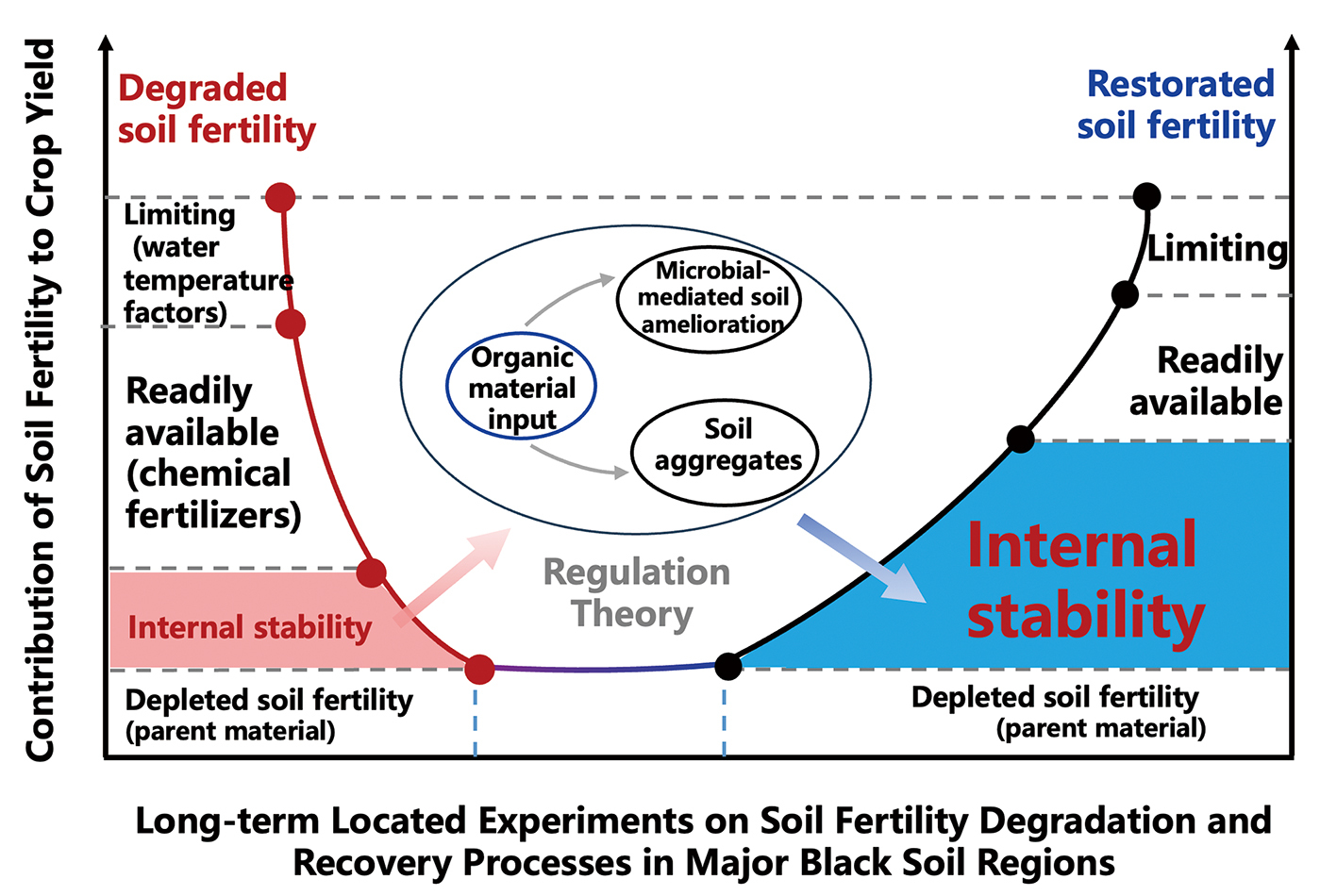
Figure 2. The composition of soil fertility in black soils.
2. Construction of Regionally Adaptable Technology System for Degradation Control
Based on the theory of “enhancing the inherent stable fertility” and considering the regional variations in soil types, layer thicknesses, environmental constraints, and hydrothermal conditions, targeted and differentiated conservation and restoration protocols have been developed. Focusing on the core degradation issues of “thinning, depletion, and hardening” of black soils, the “Black Soil Granary” Strategic Priority Research Program team established a locally adaptive technology system centered on the return of multi-source organic materials combined with optimized tillage practices, designed to address the restoration needs of different degradation scenarios.
2.1 Technology for Constructing a Fertile Plow Layer
To address the challenges of cold climate, heavy soil texture, and shallow plow layers, an innovative technology was developed to construct a fertile plow layer via the deep incorporation of crushed corn straw combined with decomposing agents. This approach overcomes the technical barrier to precisely deliver straw into deeper soil layers (>20 cm) and creates a high-quality plow layer structure with balanced water, fertilizer, air, and temperature conditions. A formalized technical procedure centered on fertile plow layer construction has been established. Implementation results show that plow layer thickness can be increased to 34.7 cm, with a 2.6%–9.9% rise in soil organic matter content throughout the plow layer (Gao et al., 2024). In addition, spring soil temperature has increased by 0.5℃–1℃, and crop yield has risen by more than 10% (Lu et al., 2024; Liu et al., 2025).
2.2 Compound Fertilization Technology with Multi-source Organic Materials Inputs
To tackle the problems of low organic matter content, poor nutrient retention, and severe drought and wind erosion in northeast black soils, a comprehensive technical scheme centered on strip tillage with straw mulching was developed. This integrates locally adapted techniques such as water-fertilizer integration and solid-liquid manure recycling, forming a compound fertilization system based on multi-source organic inputs (Gao et al., 2022; Zhang et al., 2022). Supporting equipment, including no-till seeders, has also been developed (Liang et al., 2022a; Guan et al., 2023). This technology promotes a plow layer configuration characterized by alternating firm and loose seedbeds between rows and synergistic water-fertilizer efficiency, addressing issues of low nitrogen storage capacity and temporal-spatial mismatch between nutrient supply and crop demand. Application outcomes include a 3%–5% increase in seedling emergence rate, over 80% reduction in soil erosion intensity, a 0.3%–0.5% rise in organic matter content, 12.3%–20.0% reduction in fertilizer use, 10%–20% improvement in biological richness (Liang et al., 2022b), and an average crop yield increase exceeding 10%. These results demonstrate a dual benefit for both black soil conservation and yield enhancement.
2.3 Gully Erosion Restoration Technology
To counteract farmland fragmentation and impeded machinery operation caused by gully erosion, a restoration technology for gully-damaged cultivated land was developed. It integrates core technologies such as gully shaping, blind-pipe installation, infiltration-well construction, straw-bale packing, topsoil covering, and gabion protection at gully tails. This system converts surface runoff into subsurface drainage via blind pipes, effectively preventing re-gullying after restoration (Zhang et al., 2019; Han et al., 2023). The technology has been applied to over 5,000 small and medium-sized gullies, restoring 1,000 hectares of gully-damaged farmland, and consolidating contiguous cultivated land areas up to 66.7 thousand hectares, thereby supporting large-scale mechanized operation on black soils.
2.4 Microbial Remediation Technology
To address the slow decomposition of straw under the cold conditions of northeast China, in-situ decomposing microorganisms and preserved microbial resources were investigated. A “decomposition-promoting and quality-improving” functional microbial community was designed to enhance straw decomposition and promote the directional synthesis of soil organic matter. The mechanism by which microbial inoculants accelerate rice straw decomposition was clarified: Inoculant application reshapes the structure and function of lignocellulose-degrading microbial communities in paddy fields, significantly increasing the abundance of relevant degrading bacteria and functional genes (Zhao et al., 2024). Building on this, the team developed six types of third-generation in-situ decomposition-promoting microbial inoculants, which effectively accelerate the decomposition of rice, wheat, and corn straw, achieving a decomposition rate 10%–40% higher than the control and facilitating the conversion of straw carbon into stable soil organic matter.
3. Comprehensive Technology System for Customized Black Soil Conservation and Utilization Across the Region
Following the core principles of “problem-oriented, locally adapted, and demonstration-led” approaches, the research team integrated natural geographical conditions, degradation types, agricultural production constraints, and technology adoption readiness across the black soil region. Addressing the core degradation issues of “thinning, depletion, and hardening”, a locally customized, comprehensive technology system for black soil conservation and sustainable utilization was established. The system includes conservation and improvement tillage models for typical black soils (Longjiang Model, Lishu Model 2.0, Liaohe Model), remediation models for problematic soils (Sanjiang Model, Da’an Model), and farmland management models based on geographic information, big data, and smart machinery (Qiqihar Model, Dahewan Model) (Figure 3).
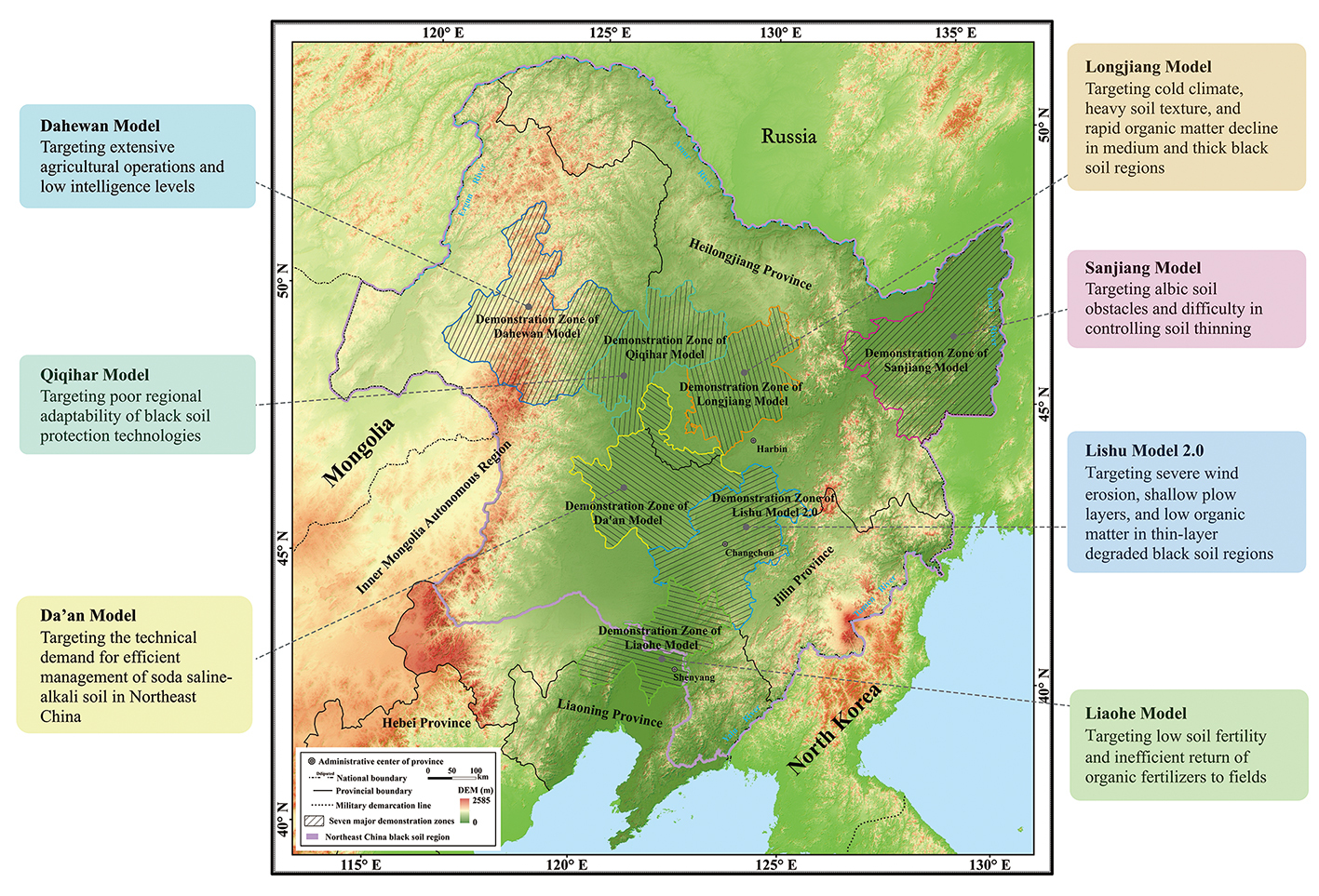
Figure 3. Comprehensive technical models and core technologies for conservation and utilization of black soils.3
(1) Longjiang Model
Targeted at medium and thick black soils affected by cold climate, heavy texture, and rapid organic matter decline, the “Longjiang Model” centers on deep incorporation of crushed straw to construct a fertile plow layer. It integrates high-yield variety selection, efficient soybean cultivation, and green pest control technologies. The approach overcomes the technical challenge of delivering straw into deep soil (>20 cm), achieving synergy between soil conservation and grain yield. Application results show: Plow layer thickness increased by >15 cm, soil bulk density decreased by >8%; fertilizer use efficiency improved by 2%–3%, pesticide use reduced by 20%, and crop yield rose by >10.2%. This model is well adapted to the conservation needs of medium and thick black soil.
(2) Lishu Model 2.0
Designed for thin black soils with severe wind erosion, shallow plow layers, and low organic matter content, the “Lishu Model 2.0” is built around straw mulching no-till, supported by water-fertilizer integration and biological control. It addresses the temporal-spatial mismatch between nutrient supply and crop demand, improving soil fertility while maintaining yield. Application effects include: Soil erosion intensity reduced by >80%, organic matter content increased by 3.0–5.0 g kg-1, fertilizer application reduced by 12.3%–20.0%, soil biodiversity enhanced by 10%–20%, and average crop yield increased by >10%. The model has become a regional benchmark for black soil conservation.
(3) Liaohe Model
Targeting low soil fertility and inefficient return of organic fertilizers to fields, the “Liaohe Model” focuses on straw mulching combined with banded manure application. It innovates across the full chain of “efficient decomposition – precise return – manure-straw combination – standard promotion”, shortening the decomposition cycle of manure and sewage. Results show: Decomposition period reduced from 180 to 90–120 days, fertilizer use efficiency rose to 50%, corn yield increased by 8%–12%, and soil organic matter content elevated by 1.5 g kg-1. The model promotes the shift from “harmless treatment” to “high-value utilization” of manure and sewage.
(4) Sanjiang Model
Aiming to overcome albic soil constraints and plow-layer thinning, the “Sanjiang Model” employs innovative subsoil mixing and deep loosening techniques. Specialized plows mix the albic layer with underlying illuvial soil to reduce soil hardness, while subsoiling furrows and three-dimensional pore structures improve aeration and permeability. Combined with organic amendments, the plow layer is gradually deepened. Integrating big data, the model enables intelligent whole-process monitoring, diagnosis, decision-making, and execution for soil erosion control, offering a systematic solution for intelligent water erosion prevention and comprehensive fertility improvement on sloping black soil farmland. Outcomes include: Albic soil plow layer thickened to 30 cm, paddy field yield increased by over 5.7%; dryland fertilizer use reduced by 5%–15%, soil and water loss decreased by >70%, and crop yield increased by 5.5%–14.2%.
(5) Da’an Model
Focused on the efficient management of soda saline-alkali soils in northeast China, the “Da’an Model” systematically implements “high-standard farmland, high-quality seeds and advanced agronomy” as the core. It established an integrated technical and theoretical framework of “classified management – systematic remediation – efficient utilization”, achieving a theoretical shift from single-dimensional to systematic collaborative management. For heavily saline-alkali soil, rice yield can reach >6000 kg per hectare in the first year of treatment, with the soil pH reduced by >0.5 units, and the remediation period shortened by 3–5 years.
(6) Dahewan Model
Addressing extensive farming and low intelligence levels, the “Dahewan Model” develops high-horsepower intelligent machinery and the FuXi system—a cascade machine learning system for 15-day global weather forecast. It integrates ground-penetrating radar and gamma spectrometers for automated tillage data collection, supported by regional conservation tillage agronomy, achieving full coverage of 10 m × 10 m grid background data in demonstration areas. Results show: Soil nutrient detection accuracy reached 80%, planting decision accuracy exceeded 95%, and variable rate fertilization/pesticide application accuracy reached 88.6%, providing an efficient solution for intelligent black soil conservation.
(7) Qiqihar Model
Aiming at improving the local adaptability of conservation technologies, the “Qiqihar Model” combines geographic system approach with customized precision agriculture theory, forming a technical system characterized by “site-specific adaptation, full-chain coverage, and smart precision”. It raises the matching degree of black soil degradation control technologies to over 90%, laying an important foundation for the standardization and intelligent development of black soil conservation.
4. Suggestions and Prospects
Black soil degradation results from the synergistic interaction of intensive tillage and natural erosion, driven by a vicious cycle of “soil structural deterioration – organic matter depletion – microbial imbalance”. Addressing this challenge requires focusing on enhancing the “inherent stable soil fertility”, which is built upon the integrated functions of soil organic matter, aggregates, and microorganisms. It is important to note that improving cultivated land fertility is a long-term process; the conservation of black soils demands persistent efforts to achieve the coordinated goals of degradation control and sustainable production capacity.
Looking forward, black soil conservation needs to advance from “technology integration” to “systematic governance” and “intelligent management”. Future scientific research should deepen mechanistic understanding by exploring critical thresholds of black soil degradation and cultivation, succession pathways of microbial functional communities, and microscale processes of carbon and nitrogen cycling to consolidate theoretical foundations. To advance intelligent management capabilities, we propose integrating artificial intelligence and big data with integrated sky–ground remote sensing technologies. This integration will establish a closed-loop dynamic management framework for “intelligent black soils”, functioning through a continuous cycle of observation, orientation, decision-making, and action. Such a system will enable real-time early warning and precise regulation of soil degradation.
To address the challenges in precision agriculture, we proposed the construction of a site-specific technical atlas based on soil types, climatic conditions, and cropping systems, incorporating dynamic optimization algorithms for adaptive adjustments. Integrated watershed-based planning, encompassing water, land, forest, and rural elements, should be promoted, using small watersheds as the primary units for implementing location-specific technologies. These efforts should be combined with high-standard farmland construction, soil and water conservation measures, and conservation tillage practices. To optimize black soil management, relevant technical standards should be improved to better integrate soil conservation, utilization, and ecological restoration, thereby providing robust scientific support for sustainable black soil use and enhanced grain production capacity. Finally, international cooperation in black soil preservation should be strengthened, with emphasis on sharing data, technologies, and governance experiences to foster global consensus and collaborative frameworks for black soil conservation.
Acknowledgments
The study was supported by the Strategic Priority Research Program of the Chinese Academy of Sciences (XDA28000000). The authors sincerely acknowledge all scientists who have made significant contributions to the “Black Soil Granary” scientific campaign.
References
Ao Man, Guan Yixin, Chen Jun, Du Xin, Zhang Yingnan, Wang Xiaoguang, Ma Sicong, Li Bo, Huang Qi, Bai Zixuan, & Li Binghao. (2023). Technical Specification for Integrated Water and Fertilizer Management in Strip Tillage with Maize Straw Mulching [S/OL]. DB2203/ T 6–2023.
FAO. (2022). Global status of black soils. Rome: Food and Agriculture Organization of the United Nations. https://doi.org/10.4060/cc3124en. ISBN: 978-92-5-137309-5.
Gao Ruimin, Yan Jun, Han Xiaozeng, Chen Xu, Zou Wenxiu, Lu Xinchun, Piao Yongjie, & Jiang Rui. (2024). Construction effect of fertile cultivated layer in albic soil I. Effects of inversion tillage with organic materials on the redistribution of organic matter in surface layer of albic soil. Chinese Journal of Applied Ecology, 35 (6): 1590–1598. (In Chinese)
Gao Yan, Liang Aizhen, Fan Ruqin, Guo Yafei, Zhang Yan, McLaughlin Neil, Chen Xuewen, Zheng Haifeng, & Wu Donghui. (2022). Quantifying influence of tillage practices on soil aggregate microstructure using synchrotron- based micro- computed tomography. Soil Use and Management, 38(1): 850–860.
Guan Yixin, Ao Man, Dong Wenhe, et. al. (2023). A combined land preparation machine with strip subsoiling and shallow harrowing for straw mulching, ZL 202222729750.5. Invention Patent, China.
Han Xing, Zhang Xingyi, Liu Su, Ma Xiulan, Wang Yujun, Zhang Yu, Li Hao, Chen Xuewen, & Cui Bin. (2023). Technical Specification for Reclamation of Cultivated Land Erosion Gullies [S/OL]. DB22/T 3489–2023.
Hou Xia, Wang Xinhong, Ou Yang, Yan Liming, Liu Huiping, Li Xinyi, & Shang Minglian. (2025). Response of acetochlor degradation and bacterial community in black soil to the application of vermicompost. Biology and Fertility of Soils. 61: 13–26.
Hu Xiaojing, Liu Junjie, Liang Aizhen, Gu Haidong, Liu Zhuxiu, Jin Jian, & Wang Guanghua. (2025). Soil metagenomics reveals reduced tillage improves soil functional profiles of carbon, nitrogen, and phosphorus cycling in bulk and rhizosphere soils. Agriculture, Ecosystems & Environment, 379, 109371.
Ji Yuxuan, Zhao Ying, Han Xiaozeng, Chen Xu, Yan Jun, Lu Xinchun, Zhu Yuanchen, & Zou Wenxiu. (2024). Effect of long-term fertilization practices on the stability of soil organic matter in the northeast black soil region in China. Agronomy, 14(10): 2272–2272.
Jia Zhongjun, Qian Wei, & Cao Xiaofeng. (2025). Preface to the special issue on Microbiome in Black Soils. Acta Microbiologica Sinica, 65(8): 3237–3240. (In Chinese)
Jiang Ming, Jia Zhongjun, Wen Ya, Xu Hang,Wang Hongsheng, Zeng Yan, Li Lujun, Cui Mingxing, Li He, Zhang Jiabao. (2024). Safeguarding the “Black Soil Granary”: Innovations in soil conservation and sustainable agriculture. Bulletin of the Chinese Academy of Sciences, 38: 2024018.
Jiang Ming, Wen Ya, Sun Ming, Wang Hongsheng, Zeng Yan, Han Yongbin, Li Xiujun, Wu Haitao, Li Lu-Jun, & Xu Shangqi. (2021). Thinking and implementation approach of science and technology strategy of well raising black soil. Bulletin of Chinese Academy of Sciences, 36(10): 1146–1154. (in Chinese)
Li Lu-Jun, Burger Martin, Du Shuli, Zou Wenxiu, You Mengyang, Hao Xiangxiang, Lu Xinchun, Zheng Lin, Han Xiaozeng. (2016). Change in soil organic carbon between 1981 and 2011 in croplands of Heilongjiang Province, northeast China. Journal of the Science of Food and Agriculture, 96: 1275–1283.
Li Rui, Hu Wenyou, Jia Zhongjun, Liu Hanqiang, Zhang Chao, Huang Biao, Yang Shunhua, Zhao Yuguo, Zhao Yongcun, Manoj K. Shukla, & Miguel Angel Taboada. (2025). Soil degradation: A global threat to sustainable use of black soils. Pedosphere, 35(1): 264–279.
Liang Aizhen, Peng Fei, & Huang Dandan, et al., (2022a). Agricultural machinery and equipment for strip tillage with straw, ZL202220474117.3, Invention Patent, China.
Liang Aizhen, Zhang Xiaoping, Shen Yan, Li Wenfeng, & Yang Xueming. (2008). Distribution of water-stable aggregates and aggregate-associated C in black soil in northeast China. Chinese Journal of Applied Ecology, 22(2): 148–152. (In Chinese)
Liang Aizhen, Zhang Yan, Chen Xuewen, Zhang Shixiu, Huang Dandan, Yang Xueming, Zhang Xiaoping, Li Xiujun, Tian Chunjie, McLaughlin Neil, Xiang & Yang. (2022b). Development and effects of conservation tillage in the black soil region of northeast China. Scientia Geographica Sinica, 42(8): 1325–1335. (In Chinese)
Liu Chunzhu, Si Bingcheng, Zhao Ying, Wu Zhimin, Lu Xinchun, Chen Xu, Han Xiaozeng, Zhu Yuanchen, & Zou Wenxiu. (2025). Drivers of soil quality and maize yield under long-term tillage and straw incorporation in Mollisols. Soil & Tillage Research, 246: 106360.
Lu Xinchun, Han Xiaozeng, Qiu Chen, Chen Xu, Yan Jun, Zhang Naiwen, Zhang Zhiming, Gan Jiawei, Zou Wenxiu, & Liu Honggang. (2024). Effects of organic material incorporation within soil layer on meadow soil pore structure and maize yield. Soils and Crops, 13(1): 52–65. (In Chinese)
Peng Jue, Yang Qingsong, Zhang Chenyang, Ni Shimin, Wang Junguang, & Cai Chongfa. (2023). Aggregate pore structure, stability characteristics, and biochemical properties induced by different cultivation durations in the Mollisol region of northeast China. Soil and Tillage Research, 233: 105797.
Qin Lei, Tian Wei, Yang Liang, Freeman Chris, & Jiang Ming. (2020). Nitrogen availability influences microbial reduction of ferrihydrite-organic carbon with substantial implications for exports of iron and carbon from peatlands. Applied Soil Ecology, 153: 103637.
Yang Xueming, Zhang Xiaoping, & Fang Huajun. (2003). Erosion Losses of Black soil Under Different Types of Management in Jilin. Chinese Journal of Soil Science, 34 (5): 389–393. (In Chinese)
You Mengyang, Hao Xiangxiang, Li Lu-Jun. (2020). Changes of soil organic carbon and nutrients in Hailun Mollisols in the past thirty years. Soils and Crops, 9(3): 211–220. (In Chinese)
Zhang Jiabao. (2023). Improving inherent soil productivity underpins agricultural sustainability. Pedosphere, 33(1): 3–5.
Zhang Xingyi, Qi Zhi, Zhang Shengmin, Li Hao, Du Shuli, Hu Wei, Ding Chao, & Han Xing. (2019). Rehabilitation engineering of gully filling in the Mollisols farmland of northeast China. Science of Soil and Water Conservation, 17(05): 128–135. (In Chinese)
Zhang Yan, Li Xiujun, Gregorich G. Edward, McLaughlin B. Neil, Zhang Xiaoping, Guo Yafei, Liang Aizhen, Fan Ruqin, & Sun Bingjie. (2018). No-tillage with continuous maize cropping enhances soil aggregation and organic carbon storage in northeast China. Geoderma, 330: 204–211.
Zhang Yang, Zhang Yan, Gao Yan, Huang Dandan, Chen Xuewen, Zhang Shixiu, Zhang Xiaoping, McLaughlin Neil, & Liang Aizhen. (2022). Distribution of nitrogen storage in density and size fractions varied with tillage practices and cropping systems with residue return in black soil of northeast China. Soil Science Society of America Journal, 86(6): 1483–1494.
Zhao Binhan, Dong Wenjun, Chen Zhiling, Zhao Xin, Cai Zhanjun, Feng Junjian, Li Shaojie, & Sun Xianyun. (2024). Microbial inoculation accelerates rice straw decomposition by reshaping structure and function of lignocellulose- degrading microbial consortia in paddy fields. Bioresource Technology, 413: 131545.
Zhao Meiling, Wang Guodong, Zou Yuanchun, Qin Lei, Yang Liang, & Jiang Ming. (2025a). The accumulation of microbial residues decreases with time after wetland-to-cropland conversion. Applied Soil Ecology, 212: 106226.
Zhao Ying, Biswas Asim, Liu Mingtao, Han Xiaozeng, Lu Xinchun, Chen Xu, Hao Xiangxiang, & Zou Wenxiu. (2025b). Land use effects on soil carbon retention through glomalin-mediated aggregation. Geoderma, 456: 117252.
Zhao Yongcun, Wang Meiyan, Hu Shuijin, Zhang Xudong, Ouyang Zhu, Zhang Ganlin, Huang Biao, Zhao Shiwei, Wu Jinshui, Xie Deti, Zhu Bo, Yu Dongsheng, Pan Xianzhang, Xu Shengxiang, & Shi Xuezheng. (2018). Economics- and policy-driven organic carbon input enhancement dominates soil organic carbon accumulation in Chinese croplands. Proceedings of the National Academy of Sciences of the United States of America, 115 (16): 4045–4050.
————————
* Corresponding author. Email: jbzhang@issas.ac.cn (ZHANG J.)
1 ZHANG Jiabao, an academician of the Chinese Academy of Engineering and a researcher at the Institute of Soil Science, Chinese Academy of Sciences, focuses on soil physics and eco-hydrology. His research encompasses soil water and material cycling system simulation, rapid acquisition of soil information, and theories and technologies for the improvement of low-yield croplands and enhancement of soil fertility. His key achievements include creating theoretical and technical systems for classifying and eliminating soil constraints and rapidly boosting soil fertility, which have guided the transition of soil improvement towards precise and targeted solutions.
2 This map is based on a standard map (approval number GS(2023)2767) downloaded from the Standard Map Service website of the Chinese Ministry of Natural Resources, selecting provinces within northeast China with no modification to the base map.
3 This map is based on a standard map, with approval number GS(2021)5448, downloaded from the Standard Map Service website of the Chinese Ministry of Natural Resources, selecting the northeast part of China with neighboring countries, with no modification to the base map.